You spend ten minutes perfecting your brows. Two hours later? Feathers gone. Arch sagging. Stray hairs staging a rebellion. Frustrating? Absolutely. And most brow locking products on the market aren’t built for real life—they’re built for flat lighting and 30-second Instagram reels. Here’s how to lock brows that stay put through humidity, wind, and even a midday coffee run.
Why Your Current Brow Locking Product Quits by Lunchtime
Most formulas prioritize shine or volume over adhesion. They coat—don’t bond. The result? A brittle shell that flakes or stiffens unnaturally. Worse, many contain alcohol-heavy bases that dry out fine brow hairs over time, making them more prone to breakage.
And texture matters more than you think. Gel-based lockers often lack the tensile strength needed for coarse or sparse brows. Waxes melt in heat. Sprays oversaturate. You’re left reapplying—or worse, smudging your carefully drawn shape.
How to Choose and Apply a Real Brow Locking Product That Lasts
Forget one-size-fits-all routines. The right approach depends on your hair type, climate, and desired finish. Here’s what actually works:
Hair Type Dictates Formula
Fine, sparse brows need flexible hold—think water-resistant polymers, not glue-like resins. Thick, unruly brows demand higher viscosity with micro-fiber reinforcement. If your brows are dyed or tinted, avoid clear gels with high pH—they can strip pigment faster than you expect.
Application Technique Is 60% of the Battle
Brush upward first—always. Then press down into the natural growth pattern. Let it tack-dry for 15 seconds before shaping. This creates a molecular anchor, not just surface tension. And never layer over cream pomades without a 30-second wait; oil + polymer = slide city.
| Hold Type | Best For | Longevity (Avg.) | Pitfall to Avoid |
|---|---|---|---|
| Flexible Film-Forming | Fine, sparse, or mature brows | 8–10 hours | Over-application → white cast |
| Wax-Polymer Hybrid | Coarse, thick, or curly brows | 10–14 hours | Melting in >85°F heat |
| Waterproof Fiber-Gel | Oily lids, humid climates | 12+ hours | Hard to remove—requires oil cleanser |
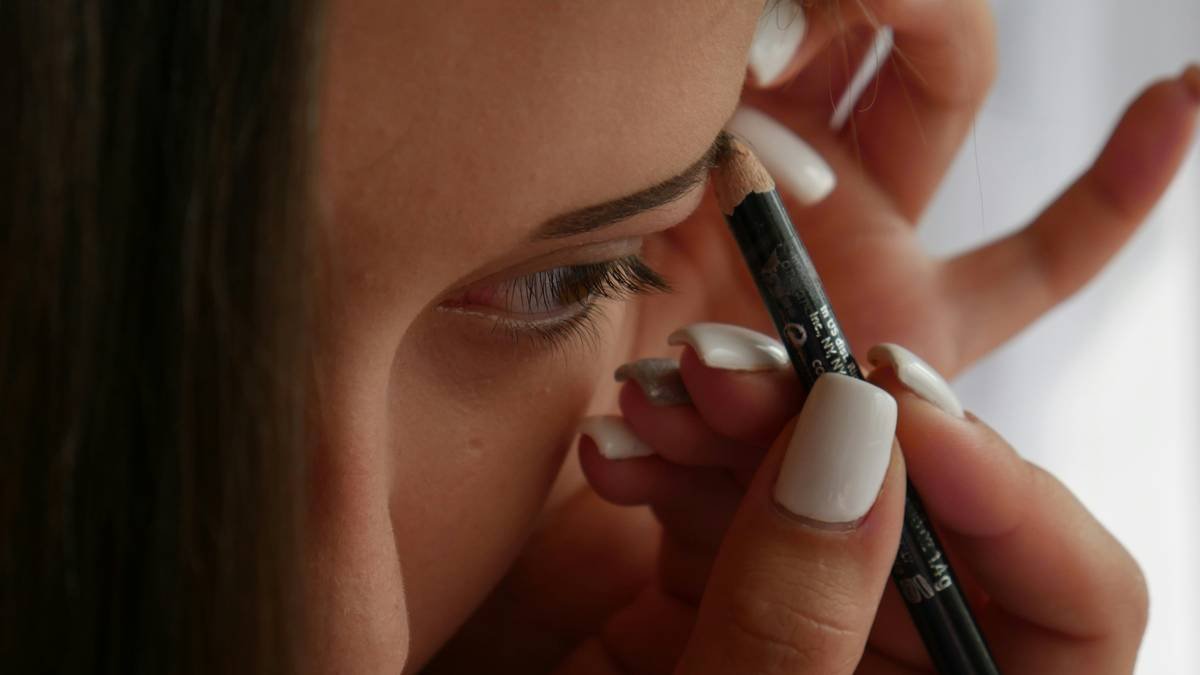
The Industry Secret: “Hold” Isn’t About Stickiness—It’s About Elastic Memory
Here’s what cosmetic chemists won’t advertise: the best brow locking product doesn’t just glue hairs down. It mimics keratin’s natural elasticity. When formulated with cross-linked PVP/VA copolymers and humectant buffers (like glycerin or sodium PCA), it moves *with* your skin—not against it.
Think about it: your forehead flexes when you talk, squint, or laugh. Rigid hold cracks. But elastic memory stretches, then snaps back. That’s why clinical-grade setting agents used in theater makeup outperform drugstore tubes—they’re engineered for dynamic movement, not static photos. And yes, some affordable brands now use these same polymers. You just have to know where to look.
Frequently Asked Questions
Can a brow locking product replace brow gel?
Not always. Tinted gels add color and light hold. A true brow locking product focuses only on fixation—ideal as a final topcoat over pencil or powder.
Does brow locking product cause hair loss?
Only if it contains drying alcohols or is removed aggressively. Use an oil-based remover and gentle downward strokes to prevent traction alopecia.
How do I fix crunchy brows from overuse?
Apply a drop of facial oil to fingertips and lightly smooth over brows. This rehydrates without sacrificing hold—if your product uses smart polymers.